Categories
Unlocking New Dimensions in Learning

Field Trips: Unlocking New Dimensions in Learning

In the evolving landscape of education, the quest for methods that significantly enhance learning and retention among students is perpetual. Among the myriad of educational strategies, the concept of field trips emerges as a beacon of experiential learning, offering a multifaceted approach to education that transcends the conventional boundaries of classroom learning. This blog delves into the profound impact of field trips on children’s learning, exploring how these real-world experiences foster academic, social, and emotional growth.

The Power of Experiential Learning

Experiential learning, a method where learners engage directly with the material through hands-on activities, stands in stark contrast to the traditional classroom education that predominantly relies on lectures and textbooks. This approach to learning is predicated on the philosophy that students learn best when they are actively involved in the learning process, experiencing the subject matter firsthand.

The benefits of hands-on learning experiences for children are manifold. Research indicates that experiential learning can lead to improved memory retention, as the act of doing creates a more vivid memory trace compared to passive learning. Moreover, children who participate in experiential learning activities often display heightened engagement and motivation, as these activities cater to various learning styles and interests.

Beyond the Classroom Walls

Field trips epitomize the essence of experiential learning by offering students exposure to real-world applications of their classroom lessons. This bridging of the gap between theory and practice enables students to see the relevance and applicability of their studies, thereby enhancing their understanding and appreciation of the subject matter.

Furthermore, field trips provide access to resources and experiences that are not available in a typical school setting. Visits to museums, historical sites, and science centers expose students to new perspectives and ideas, enriching their educational experience. These excursions also serve as a platform for interactive learning, where students can engage with exhibits and activities that complement their curriculum.

Social and Emotional Growth on the Go

The benefits of field trips extend beyond academic learning; they also play a crucial role in fostering social and emotional growth. These outings encourage students to interact with their peers in a non-traditional setting, promoting the development of social skills such as communication, teamwork, and leadership.

Additionally, field trips have a positive impact on children’s emotional growth. Experiencing new environments and challenges can boost self-confidence and resilience. Moreover, engaging with diverse cultures and communities during field trips can foster empathy and a broader understanding of the world, contributing to the emotional maturity of students.

Sparking Curiosity and Lifelong Learning

Perhaps one of the most significant impacts of field trips is their ability to ignite a child’s curiosity about subjects outside their usual interests. By exposing students to a wide range of disciplines and activities, field trips can uncover hidden passions and talents, potentially influencing future academic and career choices.

There are countless stories of individuals whose lives were transformed by a field trip, sparking a lifelong passion or leading to a career choice. Whether it’s a student who becomes fascinated with astronomy after a visit to a planetarium or another who pursues a career in history inspired by a trip to an ancient ruins site, the potential of field trips to inspire and motivate is boundless.

In conclusion, field trips are a vital component of a well-rounded education, offering a unique blend of academic, social, and emotional benefits. By stepping out of the classroom and into the real world, students gain invaluable insights and experiences that not only enhance their learning but also contribute to their overall development. As educators and parents, it is our collective responsibility to recognize and harness the power of field trips, unlocking new dimensions in learning that can shape the futures of our children.

Categories
Independence for kids path

Navigating the Path to Independence for Kids

Raising children to become independent, self-sufficient adults is one of the most important tasks a parent faces. However, the journey towards independence is filled with various obstacles that can hinder a child’s growth. In this blog, we’ll explore common challenges and provide solutions to help your child navigate the path to independence successfully.

Understanding Independence in Childhood

Independence in childhood is about allowing children to think for themselves, make their own decisions, and perform tasks without constant supervision. Fostering independence is crucial for a child’s development, as it builds self-esteem and confidence, essential for navigating the complexities of life.

Overprotection: The Invisible Barrier

One of the most significant barriers to developing independence in children is overprotection. While it’s natural for parents to want to shield their children from harm, overprotective behavior can stifle a child’s ability to learn from experiences. For instance, a parent who always intervenes to resolve their child’s conflicts with peers denies the child the opportunity to develop negotiation and problem-solving skills. The impact? A child who may struggle with autonomy and self-reliance later in life.

Fear of Failure: A Double-Edged Sword

Both children and parents can fall prey to the fear of failure. This fear can prevent children from attempting new activities or taking risks, essential components of learning and growth. To combat this, parents can adopt a supportive approach, emphasizing effort over outcome. Celebrate attempts and failures as part of the learning process, and encourage your child to see challenges as opportunities to grow.

The Digital Dilemma: Screen Time vs. Real Time

In today’s digital age, excessive screen time can impede a child’s development of social skills and problem-solving abilities. While technology is an integral part of modern life, balance is key. Encourage activities that require real-world interaction, such as team sports, family board games, or outdoor adventures. These experiences promote independence by fostering social skills and critical thinking.

Fostering Independence with Love and Limits

Setting appropriate boundaries and expectations is vital in promoting independence. This involves teaching children to perform age-appropriate tasks on their own, such as tidying their room or preparing simple meals. At the same time, it’s important to provide support and guidance. Striking this balance shows children that while they are encouraged to be self-sufficient, they are not alone in their journey.

Empowering Choices: Encouraging Independent Thinking

Encouraging children to make their own choices within safe and reasonable boundaries is a powerful way to foster independent thinking. Offer choices in daily matters, such as what to wear or what to eat for breakfast. Additionally, allow children to face the natural consequences of their choices when safe to do so. This approach teaches them to weigh options and consider outcomes, a critical skill for independence.

Conclusion

Developing independence in children is a complex process, fraught with obstacles. By understanding these challenges and implementing strategies to overcome them, parents can effectively guide their children towards self-reliance and confidence. Remember, the goal is not to remove support but to empower children to stand on their own, equipped with the skills and confidence to face the world independently.

Categories
Unlocking Potential

Unlocking Potential: Montessori Magic for Pre-K Kids

Introduction: Setting the Stage for Success

The Montessori method, developed by Dr. Maria Montessori, is a child-centered educational approach that values the human spirit and the development of the whole child—physical, social, emotional, and cognitive. With its core principles rooted in respect, independence, and a keen understanding of a child’s natural development stages, Montessori activities offer a unique and effective way of preparing Pre-K children for a lifetime of learning. This blog explores the importance of early childhood education and the transformative role Montessori activities play in this critical stage of development.

The Montessori Method: A Child-Centered Approach

Montessori activities are meticulously designed to align with a child’s natural development. They emphasize independence, freedom within limits, and respect for a child’s natural psychological, physical, and social development. This approach nurtures a love for learning by allowing children to explore activities at their own pace, fostering a sense of achievement and self-confidence.

Cognitive Benefits: Sharpening Young Minds

The cognitive benefits of Montessori activities are profound. By engaging in tasks like sorting games and puzzles, children enhance their problem-solving abilities, memory, and critical thinking skills. These activities are not only fun but are also instrumental in laying the foundation for academic success.

Social and Emotional Growth: Building Strong Foundations

Montessori activities play a pivotal role in the development of social skills, empathy, and emotional intelligence. Through group projects and community tasks, children learn the value of cooperation, sharing, and respect. This early exposure to social interaction within a supportive environment encourages children to develop strong interpersonal skills and emotional resilience.

Physical Development: Encouraging Active Learning

The Montessori method recognizes the importance of physical activity in early childhood development. Through practical life exercises, children enhance their fine and gross motor skills, which are crucial for daily activities and academic tasks. This active learning approach ensures that children are not only mentally stimulated but also physically engaged.

Nurturing Creativity and Curiosity: The Joy of Learning

One of the most beautiful aspects of Montessori activities is how they stimulate imagination and curiosity. Open-ended play and exploration allow children to express themselves creatively, whether through art projects or storytelling. This freedom to explore and create fosters a lifelong love for learning.

Empowering Parents: Bringing Montessori Home

Incorporating Montessori principles and activities into the home learning environment can be incredibly beneficial. Parents can create a supportive and enriching atmosphere by providing their children with Montessori-inspired toys and activities. Tips for parents include setting up a child-friendly space, offering choices to encourage independence, and observing the child’s interests to guide learning experiences.

Final Thoughts: The Lasting Impact of Montessori Education

The lifelong benefits of early exposure to Montessori activities cannot be overstated. From cognitive and physical development to social and emotional growth, the Montessori method offers a comprehensive approach to early childhood education. We encourage parents and educators to explore Montessori methods for their Pre-K children, unlocking their potential and setting the stage for a successful and joyful learning journey.

In conclusion, the Montessori method is more than an educational approach; it’s a pathway to unlocking a child’s innate potential. By embracing Montessori principles and activities, we can provide our Pre-K children with the tools they need to thrive in every aspect of their lives.

Categories
Tips for Parents During Camp Season

Stay Close: Tips for Parents During Camp Season

Summer camp is an exciting time for children, offering them a chance to explore, learn new skills, and make lifelong friends. However, for parents, the separation can be bittersweet, stirring up feelings of worry and nostalgia. It’s important to maintain a balance between staying connected with your child and giving them the space to grow and enjoy their camp experience. This blog provides practical tips for parents on how to stay close to their children during camp season, ensuring a positive experience for both.

Introduction: The Importance of Staying Connected

Maintaining a connection with your child while they’re at summer camp has emotional benefits for both the parent and the child. It can ease the transition for children adjusting to being away from home and provide parents with peace of mind. However, it’s crucial to strike a balance between staying in touch and allowing your child the independence to immerse themselves fully in the camp experience.

Choosing the Right Communication Method

Before camp starts, familiarize yourself with the camp’s policies on communication. Some camps may allow phone calls, while others might restrict communication to emails and letters. Understanding these policies will help you choose the most suitable communication method.

Digital vs. Traditional Communication
– **Pros of Digital**: Instant delivery, easier for quick updates.
– **Cons of Digital**: Less personal, might not be allowed by all camps.
– **Pros of Traditional (Letters)**: Personal touch, excitement of receiving mail.
– **Cons of Traditional**: Delay in delivery, requires more effort.

## Crafting the Perfect Letter or Email

When writing to your child, aim to encourage and comfort them. Share family news but keep the tone upbeat. Ask open-ended questions about their activities, friends, and what they’re learning, to encourage more than a one-word response. For example, “What was the most exciting thing you did today?” instead of “Did you have fun today?”

## Care Packages: A Touch of Home

Sending a care package can be a wonderful way to remind your child of home. Consider including:
– Favorite snacks (that comply with camp rules).
– A small game or book.
– Personalized items like photos or a handwritten note.

Be mindful of the camp’s rules regarding packages and aim to send them at a time when your child might be needing a boost, such as halfway through their stay.

Encouraging Independence While Staying Connected

Use your communications to boost your child’s confidence. Remind them of their strengths and encourage them to try new things. For parents, it’s also essential to find strategies to cope with feelings of separation. Engaging in your hobbies or planning a project can be a constructive way to manage your anxiety.

Embracing the Camp Experience Together

When your child returns from camp, take the time to listen to their stories and learn about their experiences. Plan activities that allow them to share their camp life with you, such as a photo slideshow or a camp-themed dinner where they can recreate their favorite camp meal. This not only strengthens your bond but also shows your child that you value their independence and adventures.

Post-Camp Activities
– **Photo Slideshow Night**: Gather around and let your child show off their camp photos, explaining each memory.
– **Camp-Themed Dinner**: Prepare a meal together based on a camp favorite, encouraging stories about camp life.

Summer camp is more than just a break for kids; it’s a journey of self-discovery and independence. By staying connected in thoughtful ways, you can support your child’s adventure while nurturing your relationship, ensuring that the camp experience is enriching for everyone involved.

Categories
Uncategorized

Montessori Magic: Preparing Kids for Kindergarten & Beyond

In the realm of early childhood education, the Montessori method stands out as a beacon of innovation, emphasizing the holistic development of the child. This blog delves into the essence of Montessori education and its profound impact on preparing children for kindergarten and beyond.

Embracing the Montessori Philosophy

The Montessori philosophy is built on the pillars of independence, imagination, and the development of physical and cognitive skills. At its core, this educational approach believes in fostering a child’s natural desire to learn. Unlike traditional education systems that often follow a one-size-fits-all curriculum, Montessori education tailors the learning environment to each child’s unique needs and interests. This nurturing of a child’s autonomy and curiosity is crucial in their formative years.

A key component of the Montessori method is the prepared environment. This concept refers to a learning space designed to maximize independent learning and exploration. Every material and piece of furniture is chosen with the child’s size, interests, and developmental stage in mind, making learning accessible and engaging.

The Prepared Environment: A Child’s Learning Haven

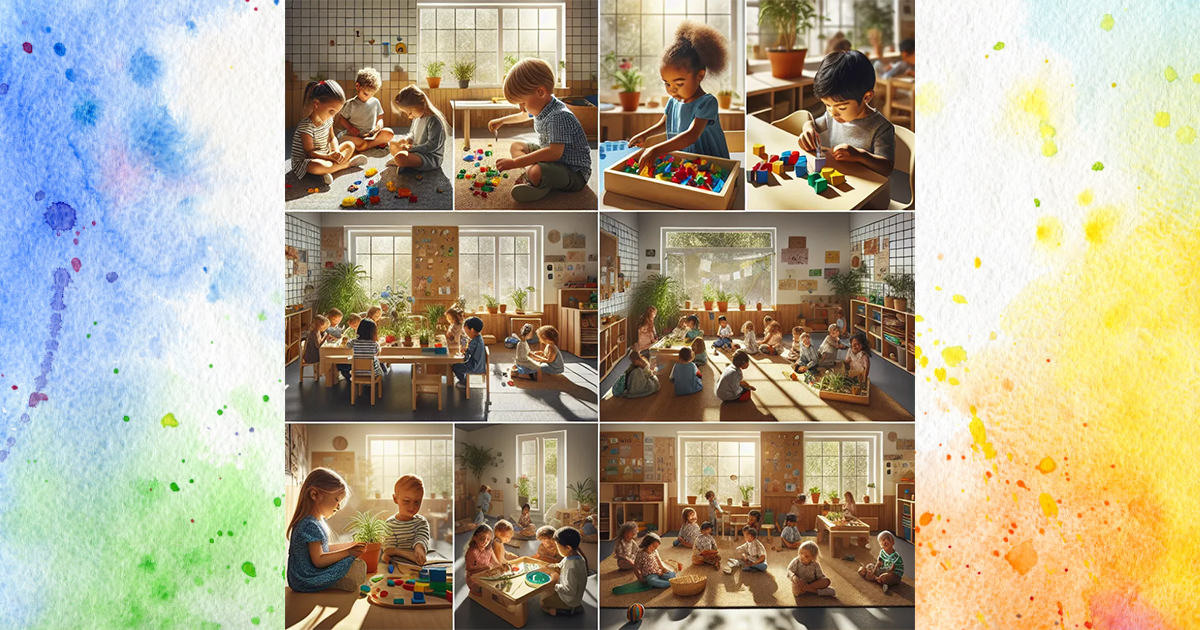
Montessori classrooms are distinctively different from their traditional counterparts. Here, children are encouraged to engage in self-directed activity, hands-on learning, and collaborative play. This environment is meticulously organized and equipped with age-appropriate materials that invite exploration and discovery. Such a setting fosters independence and curiosity, laying a solid foundation for lifelong learning.

Social and Emotional Development in Montessori

The Montessori method shines in its approach to social and emotional development. Mixed-age classrooms are a staple of this educational model, promoting empathy, social understanding, and leadership skills among students. Children learn to respect themselves, others, and their environment, a testament to the method’s effectiveness in nurturing well-rounded individuals.

Cognitive Skills and Academic Foundation

Montessori education excels in preparing children academically through sensory-based and hands-on learning experiences. Subjects like math, language, science, and cultural studies are taught in a way that is both engaging and educational. This approach not only lays a strong foundation for critical thinking and problem-solving but also sparks creativity. The Montessori method ensures children are well-prepared for kindergarten and the challenges that lie beyond.

Beyond the Classroom: Lifelong Benefits of Montessori

The benefits of Montessori education extend far beyond the classroom walls. Numerous testimonials and studies highlight the long-term advantages of this educational approach, including academic success, emotional intelligence, and adaptability. Montessori alumni often exhibit a lifelong love for learning and exploration, attributes that serve them well in all walks of life.

In conclusion, Montessori education offers a unique and effective approach to early childhood development. By focusing on the whole child and providing a prepared environment that nurtures their natural curiosity, Montessori schools are preparing kids not just for kindergarten, but for a successful and fulfilling life ahead. Whether it’s through developing social skills in a mixed-age classroom, engaging in hands-on learning, or fostering independence and creativity, the Montessori method is truly magical in its ability to shape young minds for the better.

Categories
Shaping Future Innovators

Montessori & STEAM: Shaping Future Innovators

Introduction: The Fusion of Montessori and STEM

In an era where technology and innovation drive the global economy, the fusion of Montessori education and STEM (Science, Technology, Engineering, Mathematics) has never been more critical. Montessori education, known for its emphasis on independence, hands-on learning, and self-directed activity, is increasingly incorporating STEM activities into its curriculum. This integration is preparing children not just for any future, but for one that is heavily reliant on STEM skills. As we delve deeper, let’s explore how this blend is shaping the innovators of tomorrow.

The Montessori Approach to Learning

The Montessori method, developed by Dr. Maria Montessori, is centered around the idea that children learn best in an environment that supports and respects their individual development. This approach emphasizes:
– **Independence:** Children are encouraged to make choices and work on tasks with minimal adult intervention.
– **Hands-on Learning:** Learning through doing, using tactile materials to understand concepts.
– **Mixed-age Classrooms:** Older students mentor younger ones, fostering a community of learning.

In such an environment, creativity, problem-solving, and critical thinking skills flourish, laying a solid foundation for STEM learning.

Integrating STEM into Montessori Education

Integrating STEM into Montessori classrooms involves incorporating activities that are exploratory and hands-on, aligning with the Montessori philosophy. Examples include:
– **Coding with Tangible Blocks:** Young children can learn basic coding concepts through physical blocks, making abstract concepts tangible.
– **Practical Science Experiments:** Simple experiments that allow children to observe and question scientific phenomena firsthand.

Starting STEM education early, in a manner that aligns with Montessori principles, cultivates a natural curiosity and love for learning about the world, which is essential for success in STEM fields.

Preparing for the Future: STEM Careers

The demand for skilled professionals in STEM fields is projected to grow exponentially, with the U.S. Bureau of Labor Statistics highlighting a brighter job outlook in these areas compared to non-STEM fields. Montessori education, with its focus on STEM, prepares children for these future careers by:
– **Fostering a Problem-solving Mindset:** Encouraging children to think critically and solve problems creatively.
– **Building a Strong Foundation in STEM:** Early exposure to STEM subjects builds confidence and competence in these areas.

Success stories abound of individuals who attended Montessori schools and went on to excel in STEM careers, underscoring the effectiveness of this educational approach.

Beyond the Classroom: The Lifelong Benefits of Montessori and STEM Education

The benefits of Montessori and STEM education extend far beyond academic achievement. They include the development of soft skills such as:
– **Teamwork:** Working collaboratively in a mixed-age classroom.
– **Communication:** Learning to express ideas and solutions clearly.
– **Adaptability:** Being open to exploring new concepts and approaches.

Parental and community involvement further reinforces STEM learning outside the classroom, creating a supportive ecosystem for children to thrive in.

Nurturing Tomorrow’s Innovators

As we look to the future, the importance of innovative education models like Montessori with STEM integration cannot be overstated. These models are instrumental in shaping a workforce that is not only skilled but also adaptable, creative, and ready to tackle the challenges of tomorrow. It is incumbent upon educators and parents alike to support and adopt such educational approaches, ensuring that we nurture the innovators who will drive the future.

In conclusion, the combination of Montessori and STEM is more than just an educational trend; it’s a necessary evolution in how we prepare our children for the future. By fostering an environment that values independence, hands-on learning, and a deep engagement with STEM, we are shaping a generation of future innovators who will no doubt make significant contributions to our world.

Categories
Child's Creativity

Is Your Child’s Creativity Thriving? Key Signs to Observe

In the bustling world of childhood development, creativity and sensory engagement stand as pivotal pillars, shaping the minds and futures of our little ones. But what makes these elements so crucial, and how can we, as parents and educators, ensure we’re fostering an environment where these traits can flourish? Let’s dive into the vibrant world of child development to uncover the signs of creativity and sensory engagement and explore ways to nurture these vital skills.

Introduction: The Importance of Creativity and Sensory Engagement in Children

Creativity and sensory experiences are more than just playtime activities; they are essential components of healthy child development. These elements contribute significantly to cognitive, social, and emotional growth, laying the foundation for a child’s ability to think critically, solve problems, and navigate the complexities of social interactions. But how can we recognize and support these critical aspects of development?

Recognizing Creativity in Action

Creativity extends far beyond the canvas; it is a way of thinking, a problem-solving skill that manifests in various aspects of a child’s life. From imaginative play to innovative communication and the ability to think outside the box, creativity is a multifaceted trait. Key signs of creativity include:

**Imaginative Play**: Constructing elaborate scenarios and roles.
**Curiosity**: A relentless quest for new information and understanding.
**Outside-the-Box Thinking**: Approaching problems with unique solutions.

Sensory Engagement and Its Indicators

Sensory engagement refers to how a child interacts with their environment through the five senses: touch, taste, sight, smell, and sound. This engagement is crucial for learning and development, offering a foundation for complex learning tasks. Signs of healthy sensory engagement include:

**Active Exploration**: Seeking out new experiences and environments.
**Responsiveness to Sensory Stimuli**: Showing heightened awareness of sounds, textures, and visual cues.
**Discovery Joy**: Expressing delight in uncovering new patterns and textures.

Supporting Your Child’s Creative and Sensory Development

Fostering an environment that encourages creativity and sensory exploration is key. Here are some tips to support your child’s development:

**Diverse Materials**: Provide a range of materials for exploration and play.
**Encourage Questions**: Foster a safe space for curiosity and inquiry.
**Unconventional Solutions**: Be open to creative problem-solving, even when it seems out of the ordinary.
**Balance**: Find a healthy mix between guided activities and free play to stimulate both creativity and sensory engagement.

Real-Life Examples: Creativity and Sensory Engagement in Action

Consider the story of Maya, a six-year-old with a passion for building intricate structures from everyday items. Her ability to see potential in the mundane, transforming cardboard boxes into castles, is a testament to creativity in action. Similarly, Alex, a four-year-old with a fascination for textures, spends hours exploring the sensory garden, his engagement indicative of a healthy sensory development.

These anecdotes highlight the importance of recognizing and nurturing creativity and sensory engagement, showcasing the long-term benefits of such traits.

Nurturing the Future: The Long-Term Impact

Children who develop strong creative and sensory skills often enjoy numerous future benefits, including academic success, innovation, and emotional resilience. These skills equip them to face challenges with a unique perspective, drive innovation, and navigate the emotional complexities of life with greater ease.

As we look towards the future, it’s clear that creativity and sensory engagement are not just beneficial but essential components of holistic child development. By recognizing, supporting, and nurturing these traits, we can provide our children with the tools they need to thrive in an ever-changing world.

In conclusion, understanding and fostering creativity and sensory engagement in children is not just an educational goal; it’s a vital investment in their future. By being attentive to the signs of creativity and sensory engagement and creating an environment that encourages these traits, we can help our children grow into innovative, resilient, and emotionally intelligent individuals.

Categories
Nourishing Young Minds

Nourishing Young Minds: How the Montessori Method Promotes Healthy Eating Habits in Children

In a world where fast food and processed snacks are often the go-to options for busy families, instilling healthy eating habits in children from a young age has never been more critical. The Montessori education system, known for its unique approach to fostering independence and self-directed learning, offers a compelling framework for integrating nutrition education into the lives of young learners. This blog explores how the Montessori method can be harnessed by parents and educators alike to promote healthy eating habits in children, ensuring they grow up with a deep understanding and appreciation of nutritious food.

The Montessori Philosophy and Nutrition

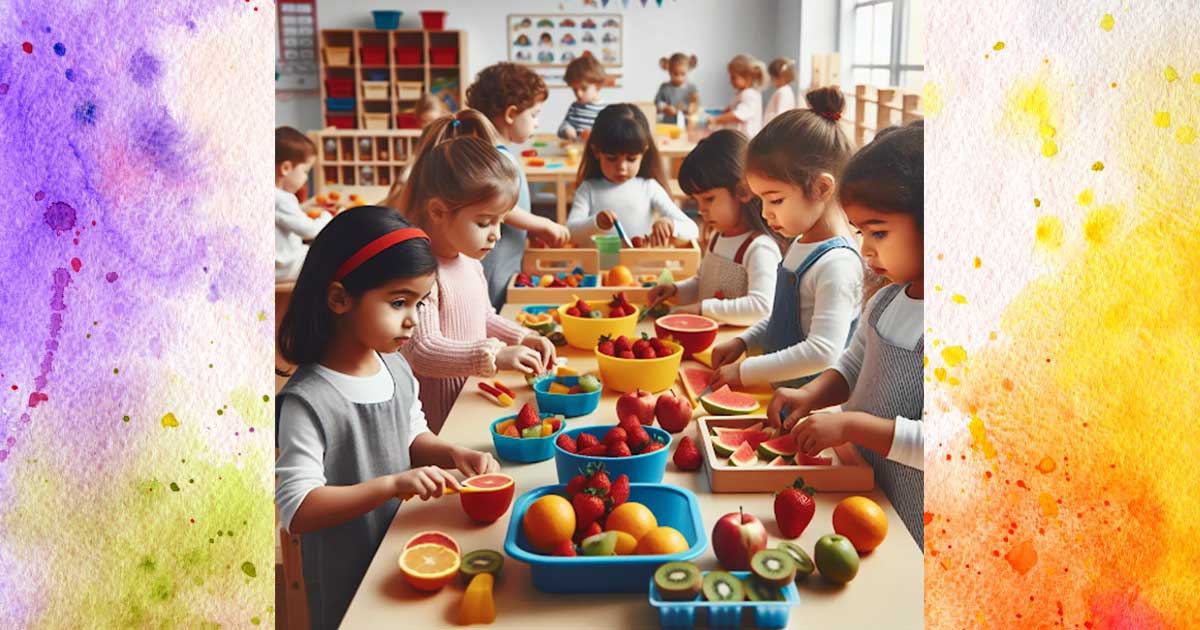
At the heart of the Montessori philosophy is the belief that children learn best in an environment that supports their natural development. This includes not only intellectual growth but physical well-being too. The principles of independence, choice, and practical life skills are integral to the Montessori approach and align perfectly with teaching children about healthy nutrition. By empowering children to make their own food choices and involving them in the preparation of meals, educators and parents can foster an understanding of healthy eating that will stay with them for life.

The Role of the Prepared Environment in Nutrition Education

The design and organization of a Montessori classroom play a crucial role in supporting children’s learning about food and nutrition. Practical life activities, such as setting the table or washing fruits and vegetables, are not only exercises in independence but also opportunities for discussions about healthy eating. Educators can create engaging and educational food-related activities within the Montessori environment, such as sorting foods into different food groups or exploring the cultural origins of various dishes, to spark curiosity and learning.

Montessori-Inspired Activities for Learning About Healthy Eating

There are numerous hands-on activities that parents and educators can introduce to teach children about nutritious food choices and the basics of a balanced diet. These include:

– **Food Preparation**: Allowing children to assist in making simple, healthy snacks, such as fruit salads or vegetable dips.
– **Gardening**: Engaging children in growing their own fruits, vegetables, and herbs teaches them about the source of their food and the importance of fresh ingredients.
– **Learning about Food Sources**: Organizing field trips to farms or farmers’ markets to learn about where food comes from.

These activities not only educate children about healthy eating but also reinforce the Montessori philosophy of learning through doing and exploration.

Aligning Home Nutrition Practices with Montessori Principles

To ensure a consistent approach to nutrition education, it’s important for parents to align home practices with Montessori principles. Involving children in meal planning, grocery shopping, and food preparation can reinforce the lessons learned in the classroom. Parents can encourage their children to make healthy food choices by offering options and allowing them to participate in the decision-making process, thus fostering a sense of independence and responsibility towards their own nutrition.

Montessori Materials and Lessons Focused on Nutrition

Specific Montessori materials and lessons are designed to educate children about healthy foods and nutrition. For example, the “Food Groups Sorting Activity” helps children understand different food categories and the importance of a balanced diet. These materials engage children in a hands-on learning experience, making the concept of healthy eating both fun and memorable.

Fostering Long-Term Healthy Eating Habits

The Montessori approach has the potential to positively impact children’s eating habits and overall health significantly. By sharing success stories and case studies, educators and parents can see the long-term benefits of integrating nutrition education into the Montessori curriculum. Working together, they can ensure that children develop a lifelong appreciation for healthy, nutritious foods, setting them up for a future of good health and well-being.

In conclusion, the Montessori method offers a holistic approach to education that naturally incorporates lessons on healthy eating. By fostering independence, choice, and practical life skills, educators and parents can guide children towards making informed food choices, ultimately nurturing young minds to value nutrition and well-being.

Categories
Nourishing Young Minds:

Nourishing Young Minds: How the Montessori Method Fosters Healthy Eating Habits

In a world where childhood obesity and unhealthy eating habits are increasingly becoming concerns, the integration of nutritional education into early childhood learning is more important than ever. The Montessori philosophy, known for its holistic approach to education, offers a unique perspective on teaching nutrition. This blog explores how the Montessori method fosters healthy eating habits in children through its curriculum, environment, and practical activities.

The Montessori Approach to Nutrition

Montessori education is distinguished by its emphasis on independence, freedom within limits, and respect for a child’s natural psychological, physical, and social development. When it comes to nutrition, Montessori education incorporates this vital subject into its curriculum, emphasizing the importance of healthy eating from an early age.

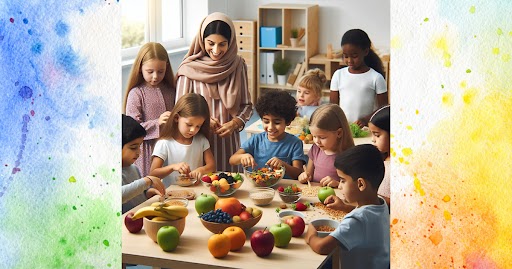
In a Montessori setting, the role of the prepared environment is crucial in promoting choices that lead to a balanced diet. Children are encouraged to make food-related decisions, fostering a sense of autonomy and responsibility towards their eating habits. For example, snack times are self-directed, allowing children to choose from a variety of healthy options, thereby intuitively guiding them towards nutritious foods.

Montessori-Inspired Activities for Learning About Nutrition

Montessori-inspired activities are hands-on and designed to teach children about healthy eating in an engaging way. Preparing simple snacks, understanding food groups through interactive sorting activities, and gardening to learn where food comes from are just a few examples. These activities not only educate children about nutrition but also support their overall development, including fine motor skills and independence. By participating in these activities, children learn the value of healthy eating and gain practical skills that contribute to their lifelong well-being.

Aligning Home Nutrition Practices with Montessori Principles

For parents looking to extend Montessori principles to home nutrition practices, consistency is key. Involving children in food preparation at home reinforces their learning about nutrition and healthy habits. Tips for parents include creating a child-friendly kitchen space with accessible tools, offering choices within limits, and modeling healthy eating behaviors. This approach not only promotes nutritional education but also strengthens the child’s autonomy and decision-making skills in relation to their diet.

The Role of the Prepared Environment in Nutritional Choices

The design and organization of Montessori classrooms play a significant role in supporting healthy food choices. Child-sized kitchen tools, accessible healthy snacks, and a structured yet flexible routine encourage children to make independent nutritional decisions. The significance of autonomy and choice in the Montessori method is evident in how children learn to listen to their bodies and make informed food choices, leading to better nutritional decisions and a healthier lifestyle.

Montessori Materials and Lessons on Nutrition

Montessori materials and lessons on nutrition are designed to provide a comprehensive understanding of healthy foods and their benefits. Sorting activities with food pictures, using nomenclature cards related to food, and practical life exercises like cooking are integral parts of the curriculum. These materials and lessons foster a lifelong appreciation for nutritious eating by making learning about healthy foods engaging, practical, and relevant to everyday life.

In conclusion, the Montessori method’s holistic approach to education includes a strong emphasis on nutritional education. By incorporating nutrition into its curriculum, providing hands-on learning activities, and creating an environment that supports healthy choices, Montessori education fosters healthy eating habits in children. These habits not only contribute to their physical well-being but also to their overall development and independence. As we continue to face challenges related to nutrition and health, the Montessori philosophy offers valuable insights and practices that can help nourish young minds and bodies.

Categories
Nourishing Young Minds

Nourishing Young Minds: How Montessori Education Embraces Healthy Nutrition

In the realm of early childhood education, Montessori stands out not just for its unique approach to learning but also for its holistic integration of life skills, including healthy nutrition. The Montessori philosophy, with its emphasis on independence, respect, and holistic development, naturally extends to fostering healthy eating habits and an understanding of nutrition among children. This blog explores how Montessori education embraces nutrition, providing a foundation for a lifetime of healthy eating.

The Montessori Philosophy and Nutrition

At its core, the Montessori philosophy aims to nurture independent, confident, and well-rounded individuals. This objective aligns seamlessly with the goals of nutritional education, which seeks to empower children with the knowledge and skills to make healthy food choices. By emphasizing respect for oneself and the environment, Montessori education encourages children to consider not only what they eat but also the broader implications of their food choices.

The Role of the Prepared Environment in Nutritional Choices

A cornerstone of the Montessori method is the prepared environment, designed to encourage independence and choice. This principle is applied to nutritional education through settings that allow children to explore food and make informed decisions about what they eat. Montessori classrooms often incorporate real-life tools and settings, such as child-sized kitchens and gardens, where students can learn about healthy foods, their origins, and how to prepare simple, nutritious meals.

Montessori-Inspired Activities for Learning About Nutrition

Montessori-inspired activities offer hands-on learning experiences that are both educational and engaging. For example, children might sort foods based on their nutritional content or participate in preparing healthy snacks. These activities not only teach children about nutrition but also enhance their understanding and retention of information by involving them in the learning process.

Aligning Home Nutrition Practices with Montessori Values

For parents looking to extend Montessori principles to home nutrition, the key is promoting independence in food choices and involving children in meal planning and preparation. This approach not only reinforces healthy eating habits but also strengthens the child’s sense of responsibility and self-esteem. Consistency between home and educational settings is crucial in cementing these habits, offering children a cohesive and supportive environment for learning about nutrition.

Montessori Materials and Lessons Focused on Nutrition

Specific Montessori materials and lessons are designed to teach children about nutrition in an interactive and engaging way. For instance, food pyramid puzzles and taste testing activities help children understand the importance of nutritious food and its impact on their body and brain development. These materials make abstract concepts tangible, facilitating a deeper understanding of nutrition and its role in overall health.

Encouraging a Lifetime of Healthy Eating

The integration of nutrition education into Montessori learning has yielded positive outcomes, with many children developing lasting healthy eating habits. These success stories underscore the long-term benefits of teaching nutrition in early childhood, including improved physical health and cognitive development. By laying the foundation for healthy eating in a supportive, educational setting, Montessori education helps children embark on a lifelong journey of wellness and self-care.

In conclusion, Montessori education offers a comprehensive approach to learning that includes the development of healthy nutritional habits. Through its emphasis on independence, respect, and holistic development, Montessori education not only prepares children for academic success but also equips them with the knowledge and skills necessary for a healthy life. By integrating nutrition into its curriculum, Montessori education nurtures not just the minds but also the bodies of young learners, fostering a generation that values health and wellness.